

EPDM Setting Blocks, crafted from high-quality Ethylene Propylene Diene Monomer (EPDM) rubber, stand as indispensable components in modern glazing and construction systems, trusted for their reliability and performance across diverse applications. Drawing insights from industry resources , these EPDM Setting Blocks are engineered to meet the rigorous demands of both residential and commercial projects, leveraging the unique properties of EPDM rubber to deliver long-lasting functionality.
Material Excellence Rooted in EPDM Rubber
At the core of EPDM Setting Blocks is EPDM rubber, a synthetic elastomer celebrated for its exceptional material properties. As highlighted in industry references, EPDM exhibits superior resistance to environmental aggressors, including ultraviolet (UV) radiation, ozone, and extreme weather conditions—from scorching heat to freezing cold. This resilience ensures that the setting blocks remain stable and intact even after prolonged exposure to outdoor elements, avoiding cracking, hardening, or degradation that could compromise their performance. Additionally, EPDM rubber boasts excellent water and moisture resistance, making these blocks ideal for humid environments such as bathrooms, swimming pool enclosures, or exterior facades, where protection against water damage is critical. Its inherent flexibility and elasticity further allow the blocks to accommodate minor movements caused by thermal expansion or structural shifts, preventing stress transfer to the glass or frame.
Key Functions in Glazing Systems
In glazing applications, EPDM Setting Blocks serve multiple vital roles that safeguard the integrity of the entire system. Primarily, they act as load-bearing supports, strategically placed between the glass panel and the frame to evenly distribute the glass’s weight. This even distribution eliminates stress concentration points— a common cause of glass breakage, especially in large or heavy panels used in commercial buildings, skylights, or curtain walls. By creating a buffer between the glass and the rigid frame (often made of metal or concrete), the blocks also minimize direct contact, reducing the risk of scratches, chips, or damage from friction.
Beyond weight distribution, these blocks play a crucial role in maintaining proper spacing and alignment of the glass within the frame. This precision ensures that sealants, gaskets, or other weatherproofing materials can be applied effectively, enhancing the system’s overall insulation and weather resistance. In scenarios where glass undergoes thermal expansion or contraction—such as during temperature fluctuations—the EPDM material’s flexibility allows for slight movements without compromising the glass’s stability, a feature emphasized in practical applications outlined on industry platforms.
 Versatility in Sizing and Customization
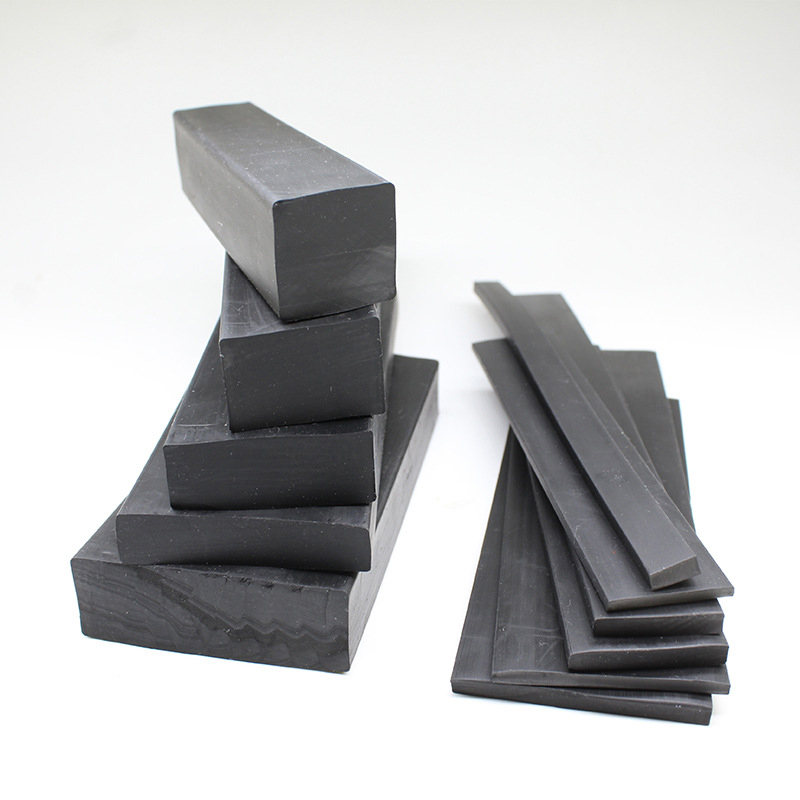
EPDM Setting Blocks are available in a wide range of standard sizes, from thin 1/16-inch options to thicker 3/16-inch variants, with lengths typically ranging from 4 inches to accommodate different glass thicknesses and frame dimensions. This variety ensures compatibility with various glazing configurations, from small residential windows to large-scale architectural glass installations. For specialized projects, many manufacturers offer customization options, allowing for tailored sizes or shapes to fit unique design requirements— a flexibility that makes them a go-to choice for contractors and engineers seeking precision in their glazing systems.
Practical Advantages and Compatibility
One of the standout benefits of EPDM Setting Blocks, as noted in industry resources, is their cost-effectiveness without sacrificing durability. Compared to alternative materials, EPDM offers a balanced blend of performance and affordability, making it a preferred option for both budget-conscious projects and high-end installations. They are also compatible with a range of glass types, including annealed, tempered, laminated, and insulated glass, though it is important to note specific compatibility guidelines— for instance, they work exceptionally well with laminated glass featuring PVB interlayers (such as Saflex®) but may require caution when paired with certain silicone sealants to avoid potential discoloration issues, a detail often highlighted in application notes.
EPDM Setting Blocks combine the robust properties of EPDM rubber with functional design, making them a reliable choice for ensuring the longevity, safety, and performance of glazing systems in any environment. Their ability to withstand the elements, distribute loads effectively, and adapt to diverse project needs solidifies their position as a staple in modern construction and glazing practices.