by admin admin No Comments

Sourcing Rubber Extrusions and Seals from China: A Comprehensive Guide for Global Buyers

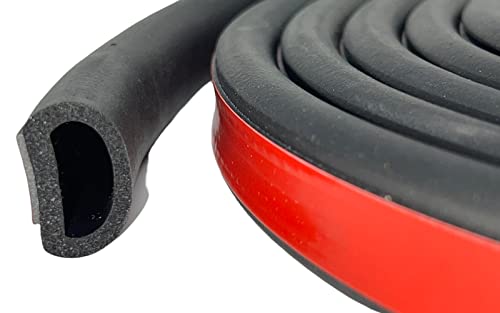
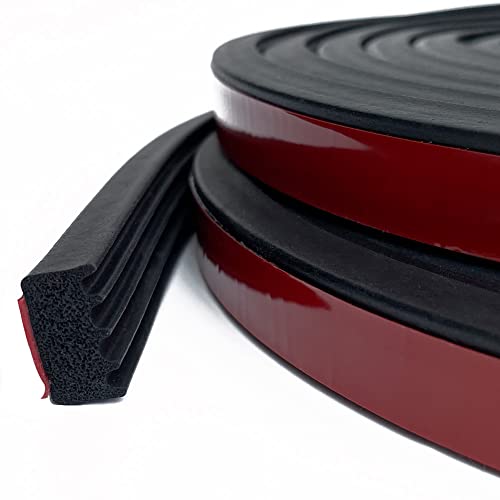
The decision to source components from China has evolved from a simple cost-saving tactic to a strategic supply chain maneuver. Among the myriad of industrial components sourced from the region, rubber extrusions and seals represent a critical category. From automotive weatherstripping and architectural glazing seals to industrial gaskets, these components are the unsung heroes of product integrity, ensuring safety, insulation, and protection against the elements.

For procurement managers and engineers in North America and Europe, the question is no longer *if* they should source rubber extrusions from China, but *how* to do so effectively to ensure quality, reliability, and value. This guide explores the benefits, challenges, and best practices for sourcing rubber extrusions from the Chinese market.

The Strategic Advantage: Why China?

The primary driver for sourcing from China remains cost efficiency, but the value proposition has deepened significantly over the last decade.

1. Competitive Pricing Without Compromising Quality
Chinese manufacturers benefit from a mature supply chain for raw materials. China is one of the world’s largest producers of synthetic rubber, including EPDM, SBR, Nitrile, and Silicone. Local access to these petrochemical products reduces the raw material costs that Western manufacturers often have to import. Furthermore, lower labor costs for skilled operators and tooling engineers allow Chinese factories to offer pricing that is often 20-40% lower than domestic alternatives, even after factoring in shipping and tariffs.

2. Advanced Manufacturing Capabilities
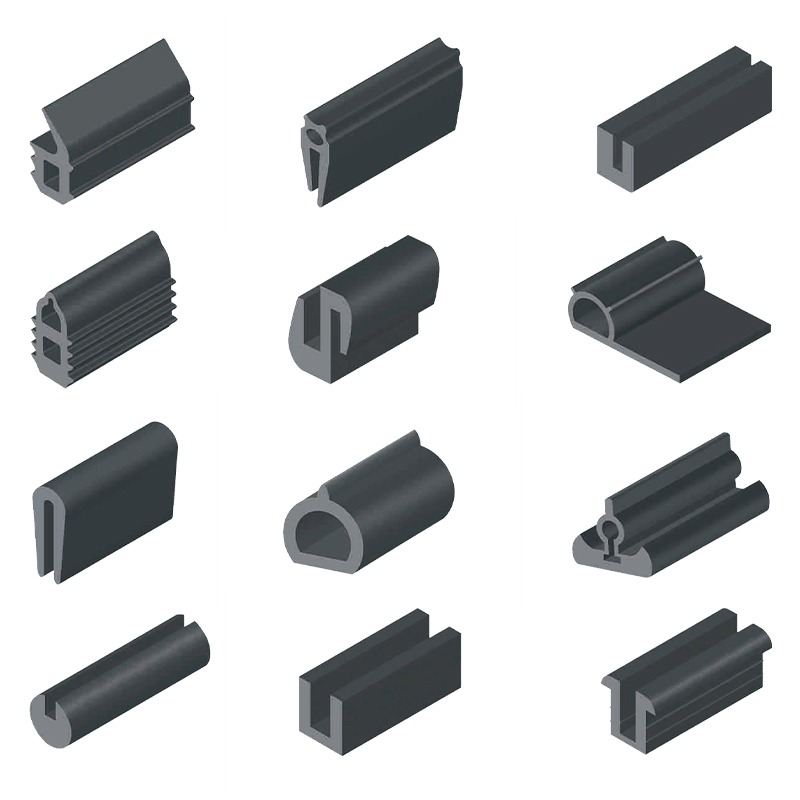
Gone are the days when “Made in China” implied only low-tech, low-quality goods. Leading Chinese rubber extrusion companies, such as Hebei Shida Seal Group, have invested heavily in modern infrastructure. Many top-tier factories now utilize state-of-the-art continuous vulcanization lines, including Microwave (UHF) and Shear Head systems, which ensure uniform curing and consistent physical properties. These facilities are capable of producing complex co-extruded profiles that combine dense and sponge rubber in a single cross-section—a feat requiring sophisticated die engineering.

3. Speed and Scalability
Chinese factories are built for volume. Once tooling is finalized, production ramp-up times are typically much faster than in Western facilities. This scalability is crucial for automotive OEMs and large-scale construction projects where demand can fluctuate rapidly. The ability to turn around custom tooling in weeks rather than months provides a significant time-to-market advantage.

Navigating the Challenges

While the benefits are clear, sourcing rubber extrusions from overseas is not without risks. Understanding these challenges is the first step toward mitigating them.

1. Quality Consistency
Rubber is a complex material; small variations in the chemical compound or curing temperature can drastically affect the final product’s hardness, tensile strength, and compression set. A common pain point for buyers is “sample drift,” where the prototype quality is excellent, but the mass production varies.

  • *Solution:* Request detailed material data sheets (MDS) and insist on third-party testing for critical parameters like specific gravity, hardness (Shore A), and low-temperature flexibility (TR10).

2. Communication Barriers
Technical specifications can get lost in translation. “Oil resistance” is a vague term; does it mean resistance to motor oil, hydraulic fluid, or brake fluid?

  • *Solution:* Use international standards such as ASTM D2000 or SAE J200 line call-outs. Instead of saying “black rubber,” specify “EPDM, 70 Shore A, Black, UV stabilized.” This removes ambiguity and ensures the factory understands the exact engineering requirements.

3. Intellectual Property (IP) Protection
Sharing CAD drawings or complex profile designs carries a risk of unauthorized reproduction.

  • *Solution:* Work with established manufacturers who have a vested interest in their international reputation. Sign Non-Disclosure Agreements (NDAs) before sharing sensitive designs. Established groups like Hebei Shida Seal Group, which serve global OEMs, have strict IP protocols in place.

Critical Criteria for Selecting a Supplier

Not all Chinese rubber manufacturers are created equal. To separate the premier suppliers from the “job shops,” evaluate potential partners based on three pillars:

1. In-House Tooling and Engineering
Extrusion dies are the heart of the manufacturing process. Factories that outsource their die-making often struggle with tolerance control and long iteration times for corrections. Look for a manufacturer with an in-house tool shop. This ensures that if a profile needs a minor dimensional tweak, the adjustment can be made quickly without disrupting the supply chain.

2. Material Testing Laboratories
A reliable supplier should have an on-site laboratory. Ask if they can perform:

  • Ozone Resistance Testing: Essential for outdoor applications.
  • Aging Ovens: To simulate years of service life.
  • Compression Set Testing: To ensure the seal won’t “go flat” over time.
    A factory that relies solely on external testing labs may not catch quality drift during production runs.

3. Relevant Certifications
Certifications are a quick filter for quality systems. For automotive applications, IATF 16949 is non-negotiable. For general industrial or construction use, ISO 9001:2015 is the baseline. Certifications specific to the industry, such as NSF/ANSI 61 for drinking water contact or UL listings for flame retardancy, demonstrate a higher level of technical competence.

The Sourcing Process: From RFQ to Delivery

To successfully source rubber extrusions from China, a structured approach is recommended.

Phase 1: The RFQ (Request for Quotation)
Provide a 2D or 3D drawing in PDF and CAD formats (STEP or IGES files are standard). Specify the estimated annual usage, as this affects the pricing tier. Clearly define the packaging requirements—rubber profiles can deform if improperly packed. Palletizing specifications or specific spool sizes should be communicated upfront.

Phase 2: Prototyping and Sampling
Never move directly to mass production. Request a pilot run or “T1 samples.” Check not just the dimensions, but the surface finish and functionality. Does the seal fit into the mating part? Is the rubber tacky or smooth? This is the time to approve the tooling.

Phase 3: Production and Quality Control (QC)
Insist on a First Article Inspection Report (FAIR) before the main production run begins. For critical components, it is often worth the investment to hire a third-party inspection agency to visit the factory during the extrusion process. They can verify the raw material being loaded into the extruder, ensuring the factory isn’t substituting a cheaper, inferior compound.

Conclusion: A Partnership for Value

Sourcing rubber extrusions and seals from China is a viable and often necessary strategy for global companies looking to remain competitive. The market offers a sophisticated manufacturing base capable of delivering high-quality EPDM, Silicone, and Nitrile profiles that meet stringent international standards.

However, success lies in due diligence. By focusing on technical clarity, selecting partners with in-house engineering capabilities, and maintaining rigorous quality control standards, buyers can secure a reliable supply chain. Companies like Hebei Shida Seal Group exemplify the new generation of Chinese manufacturers—partners who offer not just a lower price, but engineering expertise, consistency, and a commitment to global quality standards. Whether you are sealing a vehicle, a skyscraper, or an industrial machine, the right Chinese partner can provide the sealing solution you need to succeed.

by admin admin No Comments

The top U.S. rubber extrusion manufacturers and suppliers

2026.3.29 Dense Rubber Extrusions The top U.S. rubber extrusion manufacturers and suppliers

1. ELBEX Corporation

Core Capabilities, Products, and Materials

ELBEX Corporation stands as a premier industry leader in the design and manufacture of high-quality custom rubber and silicone extrusions. Established in 1976 and operating out of Bristol, Connecticut, ELBEX has built a reputation for engineering excellence, particularly in the production of complex, high-precision profiles. Their core capability lies in their advanced continuous vulcanization processes, including salt bath and hot air systems. This technology allows them to produce extrusions with superior physical properties, consistent dimensional tolerances, and excellent surface finishes. ELBEX distinguishes itself by offering extensive secondary operations, such as splicing, corner molding, punching, and assembly, providing customers with finished components ready for installation.

Their product portfolio is vast, catering to demanding industries such as automotive, mass transit, architectural construction, and appliance manufacturing. Key products include dense and sponge rubber profiles, bulb seals, tubing, U-channels, and complex multi-durometer co-extrusions. They are particularly renowned for their expertise in architectural glazing seals and mass transit window gaskets, where precision and durability are paramount.

Material expertise is a cornerstone of ELBEX’s offering. They process a wide spectrum of elastomers, including EPDM, Silicone, Neoprene, Nitrile (NBR), SBR, and Viton® (FKM). They maintain strict quality control over their compounds, ensuring compliance with ASTM D-2000 standards and various industry-specific certifications like UL, FDA, and NSF for potable water applications. By combining custom compounding with state-of-the-art extrusion technology, ELBEX delivers sealing solutions that withstand extreme temperatures, ozone, and chemical exposure.

Website: https://www.elbex-us.com/

2. Minor Rubber Company

Core Capabilities, Products, and Materials

Minor Rubber Company, a subsidiary of the Parker Hannifin Corporation since 2021, has been a staple in the American rubber industry for over a century. Headquartered in New Jersey, this manufacturer excels in providing both standard and custom rubber extrusions, positioning itself as a one-stop-shop for sealing solutions. Their core capabilities are anchored in their extensive in-house tooling department, which enables rapid prototyping and cost-effective production of custom dies. This vertical integration allows them to maintain rigorous quality control over every stage of the manufacturing process, from raw material mixing to final inspection.

Their product line is one of the most comprehensive in the United States, featuring a massive inventory of “off-the-shelf” standard rubber shapes alongside bespoke extrusions. Key product categories include rubber tubing, solid cords, sponge profiles, edge protection trims, and connector sleeves. They serve a diverse client base ranging from HVAC and plumbing to industrial machinery and medical devices. Minor Rubber is particularly recognized for its quick turnaround times on standard parts and its ability to handle low to medium volume custom runs efficiently.

Regarding materials, Minor Rubber processes a full range of standard and specialty elastomers. Their primary focus is on high-performance polymers such as EPDM, Silicone, Neoprene, Nitrile, and Viton®. They offer specific formulations tailored to unique environmental challenges, including FDA-compliant silicone for food contact and flame-retardant Neoprene for public transportation applications. Their commitment to quality is evidenced by their ISO 9001:2015 certification, ensuring that every extruded profile meets stringent dimensional and physical requirements.

Website: https://www.minorrubber.com/

3. Northwest Rubber Extruders, Inc.

Core Capabilities, Products, and Materials

Founded in 1978, Northwest Rubber Extruders, Inc. has established itself as a specialized manufacturer of custom rubber extrusions, serving the western United States and global markets from their facility in Oregon. Their core competency lies in their flexibility and technical expertise in handling difficult, non-standard extrusion projects. Unlike many competitors who focus on high-volume automotive runs, Northwest Rubber Extruders excels in medium-volume, high-mix production, making them an ideal partner for industrial OEMs, marine manufacturers, and construction firms. They pride themselves on their ability to assist customers in material selection and design optimization to enhance product performance and reduce costs.

The company manufactures a wide array of custom rubber profiles, ranging from simple solid rubber strips to complex sponge and dense rubber combinations. Their product capabilities include weatherstripping, dock seals, vibration dampers, and custom tubing. They are particularly skilled at producing large-diameter profiles and intricate cross-sections that require precise tolerances. Furthermore, they offer value-added services such as cutting, punching, and fabricating to deliver finished goods.

In terms of materials, Northwest Rubber Extruders works with a broad spectrum of commercial and specialty grade elastomers. Their material portfolio includes Neoprene, EPDM, SBR, Nitrile, Silicone, and natural rubber. They place a strong emphasis on compounding to meet specific environmental regulations, such as UL 94 flammability ratings and military specifications (Mil-Spec). By focusing on custom formulation and technical support, they ensure that the rubber compound is perfectly matched to the application’s thermal, chemical, and physical demands.

Website: https://www.nw-rubber.com/

4. VIP Rubber and Plastic Company

Core Capabilities, Products, and Materials

VIP Rubber and Plastic Company is a California-based manufacturer renowned for its capacity to handle large-scale and demanding extrusion projects. With decades of experience, VIP Rubber has developed core capabilities in both rubber and plastic extrusion, allowing them to produce hybrid components that leverage the strengths of both material types. Their manufacturing facility is equipped to handle high-volume production runs without sacrificing the precision required for custom profiles. A significant differentiator for VIP is their expertise in sponge rubber extrusions and their ability to produce very large, intricate profiles that many other extruders cannot process.

Their product offerings are extensive, targeting the construction, transportation, and industrial sectors. They are a major supplier of dock seals and shelter products, automotive weatherstripping, and architectural glazing gaskets. Additionally, they produce impact protection profiles, edge guards, and custom tubing. Their ability to co-extrude rigid and flexible materials allows for the creation of complex sealing systems that offer both structural stability and effective sealing properties.

VIP Rubber processes a wide variety of materials, with a strong focus on weather-resistant compounds suitable for outdoor applications. Their primary elastomers include EPDM, Neoprene, Nitrile, PVC/Nitrile blends, and Silicone. They are particularly noted for their EPDM sponge compounds, which offer excellent compression set resistance and weatherability for sealing applications in fluctuating climates. Their commitment to quality is maintained through rigorous testing protocols, ensuring that profiles meet specific hardness, tensile strength, and elongation criteria before shipping.

Website: https://www.viprubber.com/

5. Aero Rubber Company, Inc.

Core Capabilities, Products, and Materials

Aero Rubber Company, Inc., located in Illinois, is a prominent manufacturer that distinguishes itself through a dual capability in both rubber extrusion and rubber molding. This versatility allows them to offer comprehensive sealing solutions, often combining extruded profiles with molded corners or end caps to create finished gasket assemblies. Their core competencies include the extrusion of tight-tolerance profiles and the production of high-quality rubber sheets. Aero Rubber places a heavy emphasis on customer service and technical support, offering assistance from the design phase through to production.

Their product portfolio is diverse, catering to the HVAC, appliance, automotive, and general industrial markets. Key extruded products include solid rubber cords, tubing, rectangular strips, and custom profiles. They are also a leading supplier of industrial rubber sheeting and mats, which can be custom cut or fabricated. Aero Rubber’s ability to supply both extruded and molded components makes them a strategic partner for companies looking to streamline their supply chain by sourcing multiple rubber parts from a single vendor.

Material selection is a strength of Aero Rubber, as they process a vast array of elastomers to meet specific industrial needs. They work extensively with Neoprene, EPDM, Nitrile, Silicone, Viton®, and Butyl rubber. They offer specialized compounds for unique applications, such as conductive rubber for EMI shielding or FDA-approved silicone for food processing equipment. Their ISO 9001:2015 certified quality management system ensures that both their extruded and molded products consistently meet or exceed customer specifications and industry standards.

Website: https://www.aerorubber.com/

6. Kismet Rubber Products

Core Capabilities, Products, and Materials

Kismet Rubber Products, based in Ohio, has established a strong reputation as a specialized manufacturer of custom rubber tubing and extruded profiles. With a history dating back to the mid-20th century, Kismet focuses on precision extrusion, particularly in applications requiring tight inside diameter (I.D.) and outside diameter (O.D.) tolerances. Their core capability revolves around their unique extrusion tooling designs and processing techniques that allow for the production of intricate tubing and profiles that are difficult to achieve through standard methods. They are particularly adept at handling projects that require specific physical properties or exacting dimensional control.

Their primary product lines focus on various types of rubber tubing, including vacuum tubing, fuel lines, and coolant hoses. Beyond tubing, they manufacture custom profiles, weatherstripping, and molded rubber components. Kismet serves a variety of industries, including automotive, marine, appliance, and recreational vehicles. Their niche focus on tubing and small-diameter profiles makes them a preferred supplier for fluid transfer and sealing applications where reliability is critical.

Kismet Rubber Products utilizes a wide range of elastomeric materials to meet diverse performance requirements. They have extensive experience processing EPDM, Neoprene, Nitrile, SBR, Silicone, and natural rubber. They are known for their custom compounding capabilities, enabling them to formulate materials that resist specific chemicals, temperature extremes, or physical abrasion. Their commitment to quality is reinforced by their adherence to strict testing standards, ensuring that every foot of tubing meets the rigorous demands of their industrial customers.

Website: https://www.kismetrubber.com/

7. Trim-Lok, Inc.

Core Capabilities, Products, and Materials

Trim-Lok, Inc., headquartered in California, is a widely recognized leader in the manufacturing of rubber extrusions designed primarily for edge protection and sealing. Their core competency lies in the high-speed extrusion and fabrication of profiles that combine functionality with aesthetic appeal. Trim-Lok is particularly famous for their “push-on” edge trim products, which are engineered to fit snugly over metal or plastic edges to protect both the substrate and the user. They have perfected the art of bonding rubber to metal or wire cores, a capability that sets them apart in the industry.

Their product range is highly specialized and market-focused. It includes edge trim seals, bulb seals, weatherstripping, rubber and vinyl seals, and boating accessories. They serve the automotive aftermarket, marine, RV, and industrial equipment sectors with distinction. Trim-Lok’s products are ubiquitous in the RV and marine industries, where they are used to seal compartments, doors, and windshields. Their ability to provide easy-to-install, high-quality off-the-shelf solutions has made them a household name among fabricators and DIY enthusiasts alike.

Trim-Lok works with a focused selection of materials optimized for durability and environmental resistance. Their primary materials are EPDM, PVC, and Neoprene, often engineered into multi-component profiles. They place a strong emphasis on UV stability and weather resistance, ensuring their products do not crack or fade under harsh sun exposure. By focusing on specific niches like edge protection and marine sealing, Trim-Lok has honed its manufacturing processes to deliver consistent, high-quality extrusions that meet the specific needs of the transportation and recreation markets.

Website: https://www.trimlok.com/

8. Accurate Products, Inc.

Core Capabilities, Products, and Materials

Accurate Products, Inc., based in New Jersey, is a versatile manufacturer specializing in custom rubber extrusions, molded rubber parts, and fabricated gaskets. Their core capabilities are centered on providing comprehensive solutions that bridge the gap between raw rubber materials and finished components. They offer extensive in-house tooling and prototyping services, allowing for rapid development of custom profiles. Accurate Products distinguishes itself through its ability to handle complex secondary operations, such as slicing, punching, notching, and vulcanized splicing, transforming simple extrusions into intricate finished assemblies.

Their product line is tailored to the needs of OEMs in the automotive, appliance, and general industrial sectors. They manufacture a wide variety of extruded seals, gaskets, and custom profiles, including complex hollow and solid shapes. They are particularly adept at producing sponge rubber profiles for sealing and insulation, as well as dense rubber profiles for structural support and vibration dampening. Their engineering team works closely with clients to optimize profile geometry, ensuring maximum sealing efficiency and ease of installation.

Accurate Products processes a comprehensive range of standard and high-performance elastomers. Their material portfolio includes EPDM, Neoprene, Nitrile, Silicone, Viton®, and Butyl rubber. They offer specialized compounds designed to meet specific regulatory requirements, such as flame resistance for public transit or high-temperature resistance for engine compartments. Their quality assurance program, backed by ISO certification, ensures that every extrusion meets stringent physical and chemical specifications, providing customers with reliable, long-lasting sealing solutions.

Website: https://www.accurate-products.com/

9. WARCO BILTRITE

Core Capabilities, Products, and Materials

WARCO BILTRITE is a California-based manufacturer with a long-standing history in the rubber industry, recognized for its expertise in extruded rubber products and rubber sheet manufacturing. Their core capabilities focus on the production of heavy-duty industrial rubber products. They operate state-of-the-art continuous vulcanization lines that enable them to produce long-length extrusions with consistent physical properties. WARCO BILTRITE is uniquely positioned to serve the heavy industrial, construction, and defense sectors, offering products that require high durability and resilience.

Their product offerings are extensive and distinct from typical consumer-focused extrusions. They specialize in rubber angles, channels, strips, and cords, as well as large-scale industrial sheet rubber. They are a key supplier of diaphragm sheeting, fabric-inserted rubber, and oil-resistant profiles used in oil fields and heavy machinery. Their extrusion capabilities allow for the production of profiles that can withstand significant mechanical stress and environmental degradation, making them a trusted partner for demanding industrial applications.

Material expertise is central to WARCO BILTRITE’s success. They process a wide array of elastomers, including Nitrile (Buna-N), Neoprene, EPDM, Silicone, and Viton®. They are particularly noted for their specialized compounding of oil-resistant and fuel-resistant materials, catering to the petroleum and automotive industries. Their products are often certified to meet stringent military (Mil-Spec) and industrial standards (ASTM). By focusing on high-performance materials and heavy-duty applications, WARCO BILTRITE provides critical components that ensure safety and longevity in severe service environments.

Website: https://www.warco.com/

10. Universal Polymer & Rubber, Ltd.

Core Capabilities, Products, and Materials

Universal Polymer & Rubber, Ltd., located in Ohio, is a specialized manufacturer that excels in extruded and molded rubber products with a strong focus on the construction and transportation industries. Their core capabilities include the extrusion of both dense and sponge rubber profiles, utilizing the microware (microwave) vulcanization process for fast, efficient curing. They are highly skilled in co-extrusion technology, allowing them to combine different rubber materials into a single profile to achieve multiple performance characteristics, such as rigid mounting feet combined with flexible sealing bulbs.

Their product portfolio is highly targeted, featuring dock seals and shelters for the loading dock industry, weatherstripping for mass transit and automotive applications, and custom profiles for industrial machinery. They are a leading supplier of foam and sponge sealing products used in HVAC systems and building envelopes. Their ability to engineer solutions that provide acoustic insulation and thermal barrier properties makes them a valuable partner for vehicle manufacturers and building contractors.

Universal Polymer & Rubber works with a select group of high-performance elastomers to serve their core markets. Their primary materials include EPDM, Neoprene, and PVC/Nitrile blends. They focus heavily on closed-cell sponge compounds that offer excellent water absorption resistance and compression set recovery. Their commitment to quality is demonstrated through their ISO 9001 certification and their rigorous testing for ozone resistance and weatherability, ensuring their products perform reliably in outdoor applications for extended periods.

Website: https://www.upr.com/

by admin admin No Comments

Best EPDM Rubber Extrusion Manufacturers for Durable Seals and Edges

When selecting EPDM rubber extrusions and seals, you want products that offer reliable weather resistance, flexible installation, and long-lasting performance. This guide reviews top EPDM-based options from leading manufacturers, highlighting key features, ideal applications, and practical considerations for buyers in the United States. Use the table below for a quick snapshot of five strong choices, then dive into detailed product sections to compare compatibility, installation methods, and service life.

Product Brand Typical Use Why It Stands Out
Trim-Lok Trim Seal EPDM Closed Cell TRIM-LOK Edge sealing, RV, automotive, decorative trim Flexible sponge bulb design with weather resistance
ESI D Shaped EPDM Foam Seal ESI Doors, windows, automotive gaps High fit for vertical gaps; robust 3M tape option
ESI Ribbed Rectangle EPDM Foam Seal ESI Door/windows, marine and automotive applications Adheres with 3M tape; wide gap coverage
Tintvent Ribbed Foam Rubber Seal with Tape Tintvent Boats, autos, RVs, garages Self-adhesive, multi-function sealing

Trim-Lok EPDM Trim Seal With Side Bulb

TRIM-LOK EPDM Trim Seal

Check Price on Amazon

The Trim-Lok Trim Seal EPDM Closed Cell Sponge Rubber is designed as a flexible PVC trim with a sponge rubber bulb. It provides a secure seal for diverse applications, including RV slide-out seals, boat hatches, automotive doors, and decorative trim. Its weather-resistant properties shield against heat, ozone, water absorption, sunlight aging, and low temperatures, extending service life in harsh environments. The 3/8 inch bulb diameter fits edges around 1/16 inch, and the length is available in a 25-foot roll for large or multiple installations. This product is particularly useful where a flexible, cushioned seal is desired to reduce vibration and noise while preventing water intrusion.

ESI D Shaped EPDM Foam Seal

ESI D Shaped EPDM Foam Seal

Check Price on Amazon

The ESI D Shaped EPDM Foam Rubber Seal features a .687 inch height and .875 inch width with a 25-foot length, paired with 3M 4011 acrylic foam tape. It fills height gaps from .375 inch to .550 inch, making it a versatile option for doors, windows, cars, trucks, RVs, and boats. Its US manufacture supports local supply chains, and its combination of EPDM material with adhesive tape provides straightforward installation, excellent resistance to water absorption, ozone, and sunlight aging, along with low-temperature performance. This makes it suitable for multi-application weatherproofing projects.

ESI Ribbed Rectangle EPDM Foam Seal

ESI Ribbed Rectangle EPDM Foam Seal

Check Price on Amazon

This ribbed rectangle EPDM foam seal measures .187 inch in height and .500 inch in width, offered in a 25-foot length with 3M 4011 acrylic foam tape. It fills gaps from .125 to .188 inch and is designed for door, window, and hatch sealing across cars, trucks, RVs, trailers, and boats. The product emphasizes a balance of compression resistance and ease of installation, thanks to the tape backing. It’s suitable for applications needing a compact, high-tidelity seal that reduces noise and moisture ingress, while maintaining flexibility in tight spaces.

Tintvent Ribbed Foam Rubber Seal With Tape

Tintvent Ribbed Foam Rubber Seal

Check Price on Amazon

The Tintvent ribbed foam rubber seal includes self-adhesive backing for quick installation along doors, windows, and vehicle hatches. It seals against wind, water, light, and sound to protect boats, autos, RVs, and garages. The tape-backed design is ready to apply after a simple cleaning step, with the adhesive described as long-lasting and reliable. The 26-foot length provides ample material for larger projects, and the foam EPDM composition offers good resistance to environmental stressors, making it a practical option for multi-use weather sealing in marine and automotive contexts.

Buying Guide: Key Considerations For Epdm Rubber Extrusions And Seals

EPDM rubber extrusions and seals vary by geometry, tape adhesion, and environmental tolerance. Buyers should evaluate the following considerations to choose the best option for their project.

  • Material composition and density: EPDM seals offer excellent weather resistance and ozone protection. Higher foam density can provide better sealing against air gaps but may be stiffer, influencing installation in curved or tight corners.
  • Profile and size: Bulb, D-shaped, and ribbed profiles serve different sealing gaps. Ensure the profile matches the target edge or joint dimensions for an effective seal without excessive compression.
  • Adhesive backing vs. mechanical fastening: Tape-backed seals (3M 4011, 9485EK) simplify installation but might require surface preparation for optimal adhesion. Consider surface type and climate when selecting adhesive-backed options.
  • Temperature and weather tolerance: Exposure to heat, cold, sunlight, and moisture affects long-term performance. For outdoor or automotive use, prioritize UV and ozone resistance and low-temperature flexibility.
  • Application suitability: Marine, automotive, and RV contexts have specific requirements for water sealing, noise attenuation, and vibration control. Check manufacturer recommended applications to ensure compatibility.
  • Installation effort and maintenance: Some products are designed for quick installs, while others require cutting and precise fitting. Also consider replacement intervals and ease of removal if the seal needs upgrading.
  • Made in USA or regional supply: Local manufacturing can influence lead times and availability, which matters for projects with tight schedules.

Comparisons

For projects prioritizing ease of installation and quick sealing, tape-backed EPDM options (such as those from ESI and Tintvent) provide straightforward methods. If you need a longer continuous seal for expansive roof or marine runs, thicker EPDM sheets like RubberGard roofing material offer robust waterproofing, though installation may be more involved and require specialized tools. For gap-filled doors and windows, D-shaped and ribbed profiles from multiple brands deliver versatile options that balance compression and resilience. Always verify compatibility with your substrate, the intended climate, and the required service life when selecting between profiles and backing materials.

Consider obtaining samples or testing cut-to-length pieces when possible. This helps confirm fit, adhesion, and seal integrity before committing to larger purchases. In residential or light commercial settings, a combination approach—using tape-backed seals for quick returns and thicker sheets for roofing or marine contexts—can maximize performance while controlling costs.

by admin admin No Comments

Setting Blocks | The importance of using setting blocks & correct placement

What is a setting block?

  • Blocks made of neoprene, EPDM, silicone, polypropylene or other elastomeric material, used to support the bottom edge of a pane of glass when glazing it into a frame.

Principle functions of settings blocks:

  • Provide a cushion to support a glass pane’s dead load
  • Provide the proper glass bite at the cill
  • Prevent glass edges from touching the frame thereby preventing damage to the glass
  • Prevent glass edges from being immersed in water and facilitate drainage and drying

Important notes when installing setting blocks:

  • Glass-to-metal contact must be avoided at all times by using setting and location blocks having a hardness of 50⁰ to 90⁰ shore A durometer.
  • Only use blocks made of neoprene, EPDM, silicone, polypropylene or other elastomeric material.
  • Setting blocks should have a minimum thickness of 3mm and be at least 27mm in length per square metre of
    glass area.
  • When glazing laminated glass and/or sealed insulated glass units, drainage should be provided to prevent the glass edge being submerged.
  • Two or more 7mm diameter holes or 5mm x 9mm slotted holes, or larger, should be equally spaced in the c i l l s e c tion of s a sh or fr ame to a l low for ventilation/drainage of the cill section.


by admin admin No Comments

SETTING BLOCKS

There are four principal functions of setting blocks which are essential to understand if their installation is to be successful:

  • Provide a cushion for the glass panel to sit on and support the panels dead load

  • Enable the proper glass bite at the cill.

  • Glass edges are prevented from touching the cill frame because the setting block ensures there is the correct glass-to-metal clearance

  • Where applicable setting blocks can be used to retain drainage/weep baffles

In terms of design requirements and with a recommended hardness of 85(+/- 5) Shore A, thermoplastic, silicone, EPDM or neoprene are all suitable, although only EPDM or dense silicone should be used in structural glazing systems. Chemical compatibility with the various sealants used in structural glazing systems is of paramount importance and the setting blocks must be submitted to the sealant manufacturer for compatibility testing (according to ASTM C-1087 or similar) prior to system installation.

Setting blocks should not interfere with the installation of glazing gaskets and should allow any water in the cill to flow past freely. When setting blocks exceeding 19 mm are specified, the glass supplier should approve sizing. It is essential that any setting block is so designed that there is no shifting outward and inward in the cill gutter, otherwise there will not be constant glass support. Removable blocks should be wider – 1.50 mm each side – than the glass unit. If the glass unit were to shift outward or inward in the cill gutter the block contacts the glazing leg or stop before the glass.

Dimensions are relatively simple to adhere to. A setting block should not be less than 100 mm long. When the glass is more than 3.7 sq m, the setting block length should be increased by 25 mm for every square metre of glass area.

When it comes to the preferred location of the setting blocks, there are a number of points to bear in mind. The normal preference is for the two setting blocks to be at the quarter points, but there can be exceptions to this. Most commonly, if it is felt that the quarter-point location will lead to excessive deflection of the horizontal cill, the setting blocks can be moved equally towards the glass panel corners. The one important qualification is that under no circumstances should the outer end of the setting block be closer than 150 mm to the corner of the glass.

Once installed, the full thickness of the IG (insulated glass) unit should be resting on the setting block when the exterior glazing medium is compressed. To ensure this, the block should be a minimum of 28 mm wide for a 25 mm unit. The setting block should also have a minimum 6 mm from the bottom of the glass edge to the metal cill.

In structural glazing applications where the glass-to-glass joint is to be sealed flush with a silicone sealant, the setting block can be set back from the outer glass edge slightly to allow weather seal sealant cover. The rule is that the setting block must extend to a minimum of 50 per cent of the thickness of the outer pane of glass to offer adequate dead load support.

Finally when it comes to installation, the top surface of the setting block should he on a level plane. This provides proper support to the glass. It may be necessary for the bottom of the block to be sloped, to accommodate the outward slope of the cill’s web and to enable correct drainage.

by admin admin No Comments

10 Trends That Will Dominate Manufacturing in 2023

Responding to supply chain disruption by exploring in-sourcing and direct-to-consumer models; utilizing mergers and acquisitions as an opportunity to reevaluate and modernize their software ecosystem; and more — if there’s a uniting theme for the manufacturing industry heading into 2023, it’s turning challenges into opportunities.

In this blog post, we’ll discuss our predictions for the biggest manufacturing trends of 2023, with insights on how manufacturers can take advantage of them.

Labor Issues Create Uphill Battle

We’ve all seen news stories about the Great Resignation, which saw thousands of employees voluntarily leave their jobs in search of opportunities with better wages, better working environments, and better work-life balance.

This phenomenon has taken a serious toll on the manufacturing industry, with The Washington Post reporting that manufacturers have seen a nearly 60% increase in resignations compared to pre-pandemic numbers. And, if recent reports are to be believed, the Great Resignation isn’t over just yet: One in five workers say that they’re “extremely likely” or “very likely” to switch employers within the coming year.

Further complicating things is the general state of employment within the manufacturing industry. Nearly a quarter of the manufacturing workforce is age 55 or older and, according to a report from the Manufacturing Institute, “due to the technical nature of manufacturing production work, the manufacturing sector suffers acutely from labor shortages.”

Under these circumstances, it’s evident that the push to attract, hire, and retain talent from younger generations is one of — if not the — top manufacturing trends as we head into 2023. In order to overcome the hurdle that is the Great Resignation, manufacturers will need to offer competitive pay and benefits and create the kind of workplace environment that more closely aligns with candidates’ expectations.

Employees Seek More Favorable Working Conditions

Given the current state of the job market, would-be manufacturing employees have more leverage now than ever before — leverage they’re using to motivate manufacturing companies to create better workplace environments. From higher wages and flexible hours to advancement opportunities and workplace wellness programs, we’re increasingly seeing manufacturers implement new programs and policies and even change how they manage operations in order to accommodate employees. The end goal is not only to attract new talent in a competitive job market but also to retain their existing workforce by helping them achieve a healthier work-life balance.

Speaking of health, it remains a top priority for manufacturers everywhere as employees return to the workplace and vendors resume in-person visits. Although many COVID-related restrictions have largely been lifted, we still expect manufacturers to continue to emphasize the importance of proper sanitization and closely monitor who enters and exits their facilities. Traceability will remain an important manufacturing trend in 2023, with companies in-sourcing facilities maintenance and management, reclaiming internal equipment data from original equipment manufacturers (OEMs), and demanding greater transparency from suppliers.

Product as a Service Has Its Day

The digitalization of, well, everything has dramatically changed the way consumers interact with brands — including OEMs — and shifted their expectations of the customer experience.

In years past, the relationship between a manufacturer and its customers was surface-level, at best: A customer would purchase a piece of equipment and, once the sales process and final installation were complete, only interact with the manufacturer again when they were in need of repairs or interested in buying another piece of equipment. Today, customers expect near-constant access to and regular engagement with brands and, rather than make a one-time purchase, want to pay only for what they need on a residual basis. Though this change in expectations introduces certain challenges for manufacturers, it also opens the door to new opportunities — including Product as a Service.

Product as a Service — also known as Servitization and abbreviated as PaaS — is a business model in which manufacturers lease (rather than sell) equipment to customers and/or offer a list of subscription-based value-added services. Customers benefit from this arrangement by only paying for what they need, gaining additional support from OEMs, and accessing a new array of value-added services, which help optimize operations.

Manufacturers stand to gain even more. Product as a Service represents a shift from selling equipment as a capital expenditure to an ongoing expense model, meaning rather than process a series of one-time transactions, manufacturers now enjoy recurring revenue. The opportunity to grow aftermarket value streams and capture revenue throughout the equipment lifecycle is only half the incentive: PaaS also enables manufacturers to collect equipment usage data from customers — data that can be used to better understand customers’ needs, optimize existing offerings, and bring new products to market.

Although PaaS has generated a significant buzz in recent years, the technology underpinning it still had a way to go until it became a feasible business model — until now, that is. The internet of things (IoT), artificial intelligence (AI), predictive analytics, and other related technologies have finally reached a level of maturity where PaaS is no longer a theoretical possibility, but a real opportunity. As technology matures, it also becomes more affordable and accessible, which means a greater number of manufacturers will be able to capitalize on PaaS.

These factors, combined with changes in consumer behavior — including the desire for a better customer experience and the demand for less expensive equipment — means that PaaS will finally have its day in 2023 and become one of the biggest manufacturing trends of the year.

IIoT is (Still) THE Big Thing

The IoT — or, more specifically, industrial IoT (IIoT), which refers to the extension of IoT to industrial applications — remains a leading manufacturing trend for 2023 thanks to new and emerging use cases.

IIoT, which entails the interconnection of unique devices within an existing internet infrastructure, has enabled manufacturers to make informed, strategic decisions using real-time data and achieve a wide variety of goals, including cost reduction, enhanced efficiency, improved safety, product innovation, and more.

As recently as 2019, the vast majority of manufacturers had already implemented IIoT in key areas of their business, such as logistics, employee and customer experience, predictive maintenance, and asset management; those who had not yet implemented IIoT reported that they planned to do so in the coming years. Given recent projections, which claim that the IoT in the manufacturing market will reach up to $399.08 billion in value by 2026 at a Compound Annual Growth Rate (CAGR) of 14.5%, it’s clear that manufacturers’ investment in IoT will only increase in 2023 and beyond.

Part of the reason for this is that IIoT has a wide variety of applications, including:

  • Remotely monitoring equipment performance in real-time and comparing those metrics against established key performance indicators (KPIs) to gauge overall equipment effectiveness (OEE)
  • Establishing a baseline for normal equipment behavior and using it to identify abnormal activity for predictive maintenance purposes
  • Conducting remote analysis on equipment to identify potential issues before a malfunction occurs
  • Monitoring production — including production on specific equipment, specific unit operations, and specific unit lines — in real-time to surface hidden inefficiencies and opportunities for improvement
  • Enhancing traceability using barcodes and radio frequency identification (RFID) to track the movement of supplies and finished goods
  • Integrating complex systems and comparing equipment performance data against enterprise resource planning (ERP) systems, quality management software, and computerized maintenance management systems data to run in-depth descriptive, diagnostic, predictive, and prescriptive analytics

In addition to these applications, Product as a Service has also cemented IIoT’s status as a leading trend for yet another year: In order to gather customer usage data and unlock the valuable insights it holds, manufacturers must embed IIoT sensors into the equipment they intend to make available for lease.

The Next Generation of Predictive Maintenance Is Here

Predictive maintenance has been at the forefront of manufacturing for some time now, and while it remains a key manufacturing trend for 2023, it looks a little different than it has in years past. Instead of predictive maintenance, manufacturers are in the early stages adopting of predictive resolution.

Where predictive maintenance uses data analysis to identify anomalies in equipment performance and determine their root cause, predictive resolution takes this concept one step further, offering technicians insights on how to resolve those issues with greater certainty. In basic terms, predictive resolution increases the likelihood that an issue will be sufficiently addressed on the first try, thereby enabling manufacturers to enhance equipment efficiency, reduce costs, and improve their first-time fix rate.

Although the predictive resolution has long been a goal for manufacturers, they’ve struggled to build the necessary history to support predictive models. Fortunately, recent advancements in AI, machine learning, and natural language processing (NLP) have made it possible for manufacturers to extract unstructured data from Word docs, Excel files, PDFs, and other documents and convert it into a usable format for predictive engines.

What’s more, as the technology that underpins predictive revolution becomes more sophisticated, it also becomes more affordable, opening manufacturers up to a world of new possibilities. By using predictive resolution in conjunction with IIoT, manufacturers can ensure that production assets and/or customer equipment operate as intended, proactively address issues before they have the chance to lead to unplanned downtime, and extend the life of machinery.

This is yet another area in which Product as a Service will prove essential, as the usage data customers generate will provide manufacturers with other valuable data point that they can use to build machine learning models and engage in predictive resolution.

Simplify Your Move to Predictive Maintenance Using These 5 Steps

A Modern Approach to ERP

ERP systems have long been a mainstay amongst manufacturing companies due to their ability to streamline processes through automation, to provide accurate, real-time information, and to reduce costs. However, many manufacturers still use outdated legacy systems that no longer serve their business needs. And as the manufacturing industry continues to recover from the worst of the COVID-19 pandemic, there’s been a dramatic increase in merger and acquisition (M&A) activity, which has resulted in newly formed companies carrying a substantial amount of technical debt.

These factors have not only led a growing number of manufacturers to modernize systems and transition to the cloud, but also to reconsider what it is they need their ERP systems to do. In 2023, we expect to see a radical shift away from heavy customization, which can contribute to unnecessary complexity and make it difficult to consolidate multiple systems and achieve growth targets, and toward simplicity. As part of this ERP modernization process, manufacturers are taking a step back; figuring out what their actual business needs are; designing global templates and best practices to support those needs, allow for future optimization, and accelerate growth.

Manufacturers Find Meaning in Big Data

Sustained interest in IIoT, growing emphasis on predictive resolution, and the industry-wide shift toward Product as a Service means Big Data is bigger than ever. The ability to collect data from an ever-growing number of sources, combined with efforts to modernize systems and increasingly powerful analytics capabilities, makes it possible for manufacturers to slice and dice data in ways that provide them with a comprehensive understanding of their business.

With access to these insights, manufacturing companies can engage in more data-driven decision-making around sourcing, production, fulfillment, cost reduction, and more. By making more informed decisions, manufacturers can better support their company’s growth rate strategy and drive outcomes — and, if they’re unsuccessful, better understand what it is that went wrong and tailor their approach moving forward. In that respect, 2023 will be about moving beyond visibility into Big Data, and instead finding meaning in and discovering the benefits of Big Data.

Digital Twins Enhance Production Efficiency

A relatively recent advancement in the world of IoT, a digital twin is an exact replica of a real-world piece of equipment or a particular component rendered in a virtual environment. Since it is exact, the digital twin mirrors the actual asset not only in appearance, but also in functionality, how it connects to other components or machines, and even environmental conditions. This simulation enables manufacturers to run tests, model scenarios, conduct trainings, and see how equipment performs under different conditions without ever having to touch the actual asset.

Digital twins are powerful tools manufacturers can leverage in every aspect of their business, including:

  • Optimizing production by modeling various processes and identifying potential bottlenecks and other hidden inefficiencies
  • Testing out new production lines and prototyping new products in an easy and affordable way that accelerates speed to market
  • Proactively monitoring equipment performance and health, both on the production floor and out in the field
  • Testing out repairs and improvements to gauge their efficacy, support predictive, and increase FTFRs
  • Providing new hires and technicians with hands-on training using the most up-to-date models of machines
  • Modeling new business opportunities in support of growth strategies

For an example of digital twins in action, look no further than Rolls-Royce. The commercial aircraft engine manufacturer collects health, performance, fuel usage, and service needs data from its over 13,000 engines using IoT and telemetry. This data is combined to build digital twins on the Microsoft Azure platform, creating a consistent feedback loop that the manufacturer can use to optimize maintenance, drive product updates, monitor in-flight performance, and deliver fuel and flight route recommendations to its airline customers.

Given the broad spectrum of applications for digital twins (which only gets broader by the day), we anticipate that they’ll be a major trend for the manufacturing industry heading into 2023.

Manufacturers Make the Most of Supply Chain Challenges

Despite being one trend we’d all like to leave behind us in 2022, it appears as though supply chain disruption is here to stay. With rising inflation (and corresponding freight costs), driver and labor shortages, logistics issues stemming from factory shutdowns, geopolitical conflicts in major sourcing regions, and climate change creating new weather patterns that threaten viable shipments, the current outlook is less than encouraging. But if there’s one thing we’ve seen from manufacturers, it’s that they’re determined to make the best out of a bad situation — starting with insourcing.

Rather than rely on third-party logistics firms to handle fulfillment, some manufacturers are choosing to eliminate the middleman by acquiring logistics companies or developing their own in-house logistics operations. This approach allows for greater supply chain visibility and higher quality control, as well as reductions in shipping costs and time due to more streamlined logistics networks.

We’re also seeing manufacturers replace the traditional multi-tiered channel sales model — in which product flowed from manufacturer to wholesaler or distributor to end consumer — with a direct-to-consumer model. Similar to insourcing, this approach eliminates the middleman, giving source manufacturers more control over their brand image and pricing and enabling them to develop stronger relationships with their original equipment manufacturer customers. Some manufacturers have even applied this tactic to their suppliers, working directly with suppliers rather than through an intermediary, creating a more connected supply chain.

Although this activity has been more common amongst larger conglomerates, we expect to see more manufacturers follow suit in 2023, as well as find other innovative ways to turn supply chain challenges into exciting new opportunities.

Investing in such technology — along with building redundancies into your supply chain, considering new suppliers and sourcing options, and developing ecosystem partnerships — is a smart way to weather the worst of disruption and build a more resilient supply chain.

Interest in Reshoring & Near-Sourcing Remains Strong

Prior to 2022, reshoring — that is, bringing imported goods or materials back to domestic production — was already well on its way to becoming common practice amongst U.S.-based manufacturers. According to some reports, as many as 749,000 jobs were brought back to the U.S. between 2010 and 2018 as a result of restoring.

That number has only increased in the years since: According to a report from the Reshoring Initiative, the total number of reshoring and foreign direct investment (FDI) jobs announced in 2021 reached 261,000. This brought the rate of reshoring plus FDI job announcements up 46% from 2020 to 2021, and over 4000% from the 2010 rate.

There are a number of reasons why the reshoring — also known as nearshoring — movement has really taken off:

  • The economies in many go-to offshoring countries have become stronger in recent years, leading to an increase in wages for their citizens.
  • Countries in which labor remains inexpensive lack the infrastructure to support complex manufacturing operations
  • The COVID-19 pandemic raised awareness around the manufacturing industry’s dependence on offshoring facilities when critical supply shortages led to production issues.
  • Global port congestion and high shipping rates are expected to last well into 2023.
  • Manufacturers are now able to utilize advanced software programs and robotics to automate many of the processes that once required human intervention.

In addition to this renewed reshoring effort, manufacturers also continue to reevaluate sourcing. Global supply chain disruption has made it challenging for manufacturers that source materials from other countries — China, in particular — to get a hold of materials. This has prompted many manufacturers to diversify sourcing by adopting a “China, Plus One” strategy or near-sourcing. Near-sourcing, also known as local sourcing, is the process by which a business brings operations closer to where its finished product is sold; in manufacturing, it typically refers to the sourcing of raw materials from domestic suppliers.

We can expect both reshoring and near-sourcing to remain leading manufacturing trends in 2023, as companies attempt to reduce or eliminate entirely dependencies on foreign materials. These trends will not only help manufacturers remain resilient in the face of future supply chain disruption; they’ll also provide a much-needed boost to the U.S. economy.

While the deck may seem stacked against them, we predict that 2023 will be a year of innovation, in which manufacturers defy the odds, aggressively pursue growth strategies, and drive optimal business outcomes.

To start developing a forward-thinking strategy that incorporates these and other manufacturing trends, contact Hitachi Solutions today.

by admin admin No Comments

Elasto Proxy | Custom Bulb Trim Seals Sponge Profiles Edge Trim Solid Profiles

Elasto Proxy

Company Description by Thomasnet

ISO 9001:2008 certified manufacturer of standard & custom rubber products for a wide range of industrial applications. Products include bulb trim & inflatable seals, solid & sponge profiles, weather stripping, dual durometers, edge trims & window channels. Tubing, heater hoses, sheets, gaskets, cords, floor matting, insulations, latches & bumpers are also available. Materials include EPDM, neoprene, Viton®, Buna-N®, urethane, foam, styrene butadiene rubber (SBR), silicone & plastic. Capabilities include fabrication, molding, cold bonding, taping, waterjet & die cutting, splicing & vulcanizing.

Company Description by Elasto Proxy, Inc.

Elasto Proxy – We understand your needs, and deliver on them!

Elasto Proxy Inc. is an ISO 9001:2008 certified, reputable, ever-expanding company specializing in standard and custom sealing solutions. Our latest adoptions of technologies include film splice machines, an injection molding press, and seal simulation software.

Design capabilities – Unique Solutions for Sealing Challenges

With over 20 years of experience in many different industries, we are the best choice for an industrial rubber and plastics manufacturer. We do it all; our employees visualize, engineer, and manufacture custom solutions to suit your sealing and insulation needs. We like to share our application knowledge which is a real benefit to your design and engineering staff. It also ensures that your project will be completed in a timely manner.

Our flexible and innovative sealing solutions are vast. We create specialty seals for any industry, and we strive to understand the unique challenges that each industry faces. Our extensive knowledge of rubber combined with our high technology seal simulation software gives us the advantage to solve complex design problems, and we are looking to share this with our customers.

Manufacturing capabilities – Custom Fabrication and Beyond

We are a supplier who will act on your behalf and serve your interests. Our multi-functional manufacturing methods can quickly and efficiently create any rubber component you need for your project – we will even help visualize and design the part for you thanks to our simulation software. With facilities in Canada and the United States, we have several offices to serve you better. Our diverse range of capabilities will ensure that we will always deliver on your needs. Elasto Proxy’s manufacturing capabilities include water-jet cutting and film splice molding, injection molding, composite lamination, and the heat-lamination of 3M foam tapes.

Elasto Proxy provides a wide variety of plastic and rubber components to the mass transit industry. For flexible, innovative solutions to custom fabrication challenges, you can count on our solutions providers to design high-quality parts that meet industry specifications.

Products

by admin admin No Comments

Renko Rubber Canada Inc | Quality Rubber Weatherseals and Gaskets

Renko Rubber Canada Inc

Renko Rubber Canada Inc  has over 50 years of experience manufacturing quality sealing systems and molded parts. This company is a famous seal strip supplier in Europe. Locating at PO Box 339, Montreal, Quebec, H3Z 2T5, Canada, this company also has an excellent reputation for serving international customers.

Renko manufactures different weather stripping seals, extruded seals, door seal strips, window seal strip, bulb seals, foam strips, etc. This company specializes in weather stripping products. The weatherstripping products include rubber molded windows, window and door PVC seals, aluminum windows and doors, greenhouse insulation, etc.

Main Products

  •  Rubber molded corners for windows• Silicone gaskets• PVC window and door• Co-extrusion• Screen Spline• Aluminum windows and doors• Curtainwalls

    • Inhouse custom die molds

    • Steel door

    • Wood window and door

    • Dilatation

    • Greenhouse insulation

    • Automatic door

    • Color coated / color coated

    • Threaded

    • Fully colored / colored

    • Closed-cell foam

    • Renko® offers self-lubricating   silicon slip coats to help facilitate their installation

    • Renko® dry and wet glazing solutions, ideal for any type of windows

    • Renko® offers our customers color matching / color matching

    • Renko® now offers SILICON GASKETS

     Expansion Joints

    • Rubber molded corners for windows

    • Silicone gaskets

    • Soft PVC gaskets
    • Soft PVC gaskets co-extruded with a rigid backing
    • EPDM gaskets co-extruded with hydrophilic rubber
    • Solid EPDM gaskets with pre-cuts
    • Silicone adhesive ​compatible EPDM gaskets
    • Fire resistant EPDM gaskets
    • TPE co-extruded with PP base
    • Solid EPDM gaskets with our “smooth treatment”

Pros

  1. Specializes in Weather stripping seals and gaskets

Cons

  1. Other seal strip types are unavailable
by admin admin No Comments

Seals + Direct Ltd | Rubber Door Seals, Rubber Extrusions, Edge Trims, Window Rubbers, Boat and Caravan Seals

Seals + Direct Ltd

With years of experience providing seal strip services in automotive, marine and manufacturing industries, Seals + Direct is a famous manufacturer of Rubber Door Seals, Rubber Extrusions, Edge Trims, Window Rubbers, Boat and Caravan Seals in most European countries. This company is located at Unit 6, Milton Business Centre, wick Drive, New Milton, BH25 6RH, UK.

The popular products from Seals+ Direct Ltd are window rubbers seals, caravan and motor seals, rubber extrusion, sponge seals, edge trims and seals, automotive seals and trims, water-tight door and hatch seals, adhesive seal strips, tubing and hoses, etc.

This company has a vast amount of stocked products. Therefore, small or large quantity orders are welcome to this company. Like Seashore rubber Company, you can get the CAD catalogue attached to every product, which is an excellent solution to design requirements.

Main products

  • window rubbers seals
  • caravan and motor seals
  • rubber extrusion
  • sponge seals
  • edge trims and seals
  • automotive seals and trims
  • water-tight door and hatch seals
  • adhesive seal strips, tubing, hoses, etc.

Pros

  1. Similar to Seashore rubber, this company also specializes only in seal strips of different materials
  2. This company also provides various sealants, tools, and miscellaneous items as the other products
  3. The products gallery in the website is well organized

Cons

  1. No rubber or PVC gaskets are available
  2. Limited Plastic seals