by admin admin No Comments

Toyoda Gosei to Restructure Its European Operations Shares in German Production Subsidiary to be Transferred to Business Fund

Kiyosu, Japan, November 22, 2019: Toyoda Gosei Co., Ltd. will transfer its entire ownership stake in Toyoda Gosei Meteor (TGM), its production subsidiary in Germany, to SCUR-Alpha 1123 GmbH (in the following, “AEQPH,” as the company plans to change its name to AEQPH GmbH), an affiliate of a German business fund.

Toyoda Gosei has been reforming its earnings structure in each global region as an integral part of its efforts to achieve sustainable growth. However, its European business has continued to struggle. After considering remediation measures, it has decided to sell all of its shares in TGM. At the completion of this transaction, TGM and its subsidiary Meteor Sealing Systems will no longer be consolidated subsidiaries of Toyoda Gosei Co., Ltd. The procedures for this transfer of ownership shares and management rights will be completed by the end of December 2019.

The estimated loss to be incurred from the transfer is JPY21 billion, which Toyoda Gosei will report as a loss on liquidation of business in its financial results for the fiscal year ending March 31, 2020. Please see the “Notice Concerning the Revision of Financial Forecasts” released by the company today for a forecast of consolidated earnings for the current fiscal year.

“Strategy for growing markets and fields” is one of the key pillars in Toyoda Gosei’s 2025 Business Plan, the company’s medium and long-term business plan, and management resources are prioritized for allocation to growing markets and product fields. The company will continue to respond swiftly and flexibly to the accelerating changes in the business environment with the aim of achieving sustainable growth into the future.

Outline of companies to be transferred

1. Company name Toyoda Gosei Meteor GmbH Meteor Sealing Systems, LLC
2. Location Bockenem, Germany Dover, Ohio, USA
3. Founded April 2014 April 2014 (Acquisition of resources)
4. Capital EUR25,000 USD8 million
5. Shareholders Toyoda Gosei Co., Ltd. 100% Toyoda Gosei Meteor GmbH 100%
6. Representative President Katsumi Saito President Katsumi Saito
7. No. of employees 1,359 (as of March 31, 2019) 315 (as of March 31, 2019)
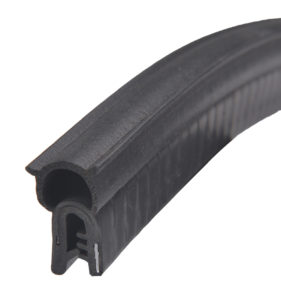
8. Products Weatherstrips Weatherstrips
by admin admin No Comments

Gaskets made of fire protection compound

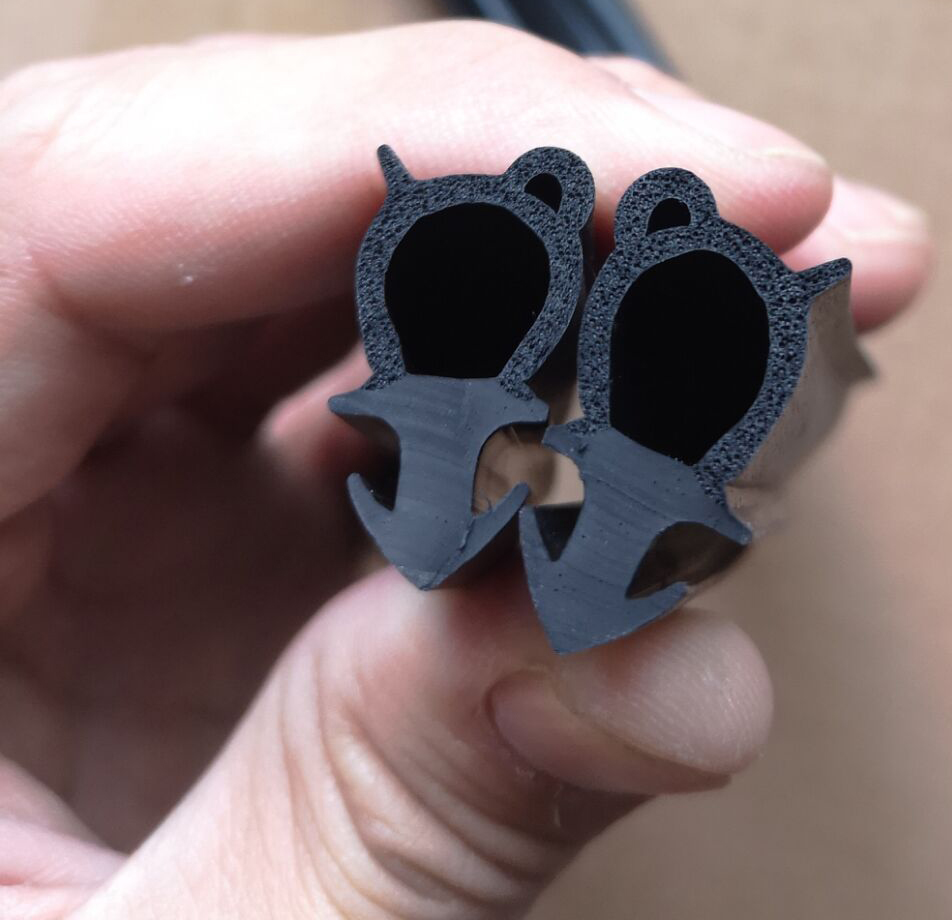
Gaskets made of fire protection compoundGaskets made of fire protection compound fixed by securing in a U-section
  • Gasket made of fire protection compount sponge-rubber (EPDM) black (clamping profile EPDM 25 ° +/- 5 Shore A)
  • Gasket made of fire protection compount sponge-rubber (EPDM) black (clamping profile EPDM 60 ° +/- 5 Shore A)
  • Gasket made of fire protection compount sponge-rubber (EPDM) black
  • Clamping profile and window rubber profile

Gaskets made of fire protection compound self-clamping
  • Gasket made of fire protection compound sponge-rubber (EPDM) black (clamping profile sponge rubber EPDM) Steel spring core Bore holes approx. every 300 mm
  • Gasket made of fire protection compount sponge-rubber (EPDM) black (clamping profile EPDM 65 ° +/- 5 Shore A) Steel spring core Bore holes approx. every 300 mm

by admin admin No Comments

Automotive Rubber Hoses Meeting SAE Specifications

Automotive Rubber Hoses Meeting SAE Specifications

Automotive Rubber Hoses Meeting SAE Specifications

Coolant Hose

Specification

Reinforcement Material

Reinforcement Type

Heater/Air/Water Hose

SAE J20 R3

Polyester or Aramid

Knitted or braided

Radiator Hose

SAE J20 R4

SAE J20 R1

Polyester or Aramid

Knitted or braided or fabric

Fuel Hose

Specification

Reinforcement Material

Reinforcement Type

Fuel Injection Hose

SAE J30 R7

Polyester or Aramid

Knitted or braided or fabric

Petrol Hose

SAE J30 R6

Polyester or Aramid

Knitted or braided

Oil Hose

SAE J30 R6

Polyester or Aramid

Knitted or braided

NGV Hose

SAE J30 R7

Polyester or Aramid

Knitted or braided

Biodiesel Hose

SAE J30 R7

Polyester or Aramid

Knitted or braided

Transmission Oil Cooler Hose

SAE J30 R6

Polyester or Aramid

Knitted or braided

Gasohol Hose

SAE J30 R7

Polyester or Aramid

Knitted or braided

Silicone Hose

Specification

Reinforcement Material

Reinforcement Type

Silicone Heater Hose

SAE J20 R3

Polyester or Aramid

Knitted

Formed Silicone Hose

SAE J20 R1

Polyester or Aramid

Knitted

by admin admin No Comments

EPDM Dual Durometer Seals

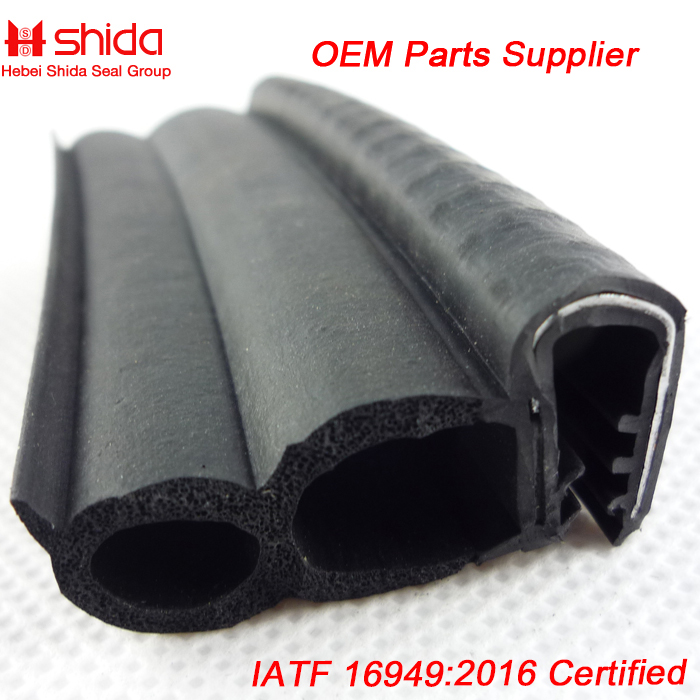
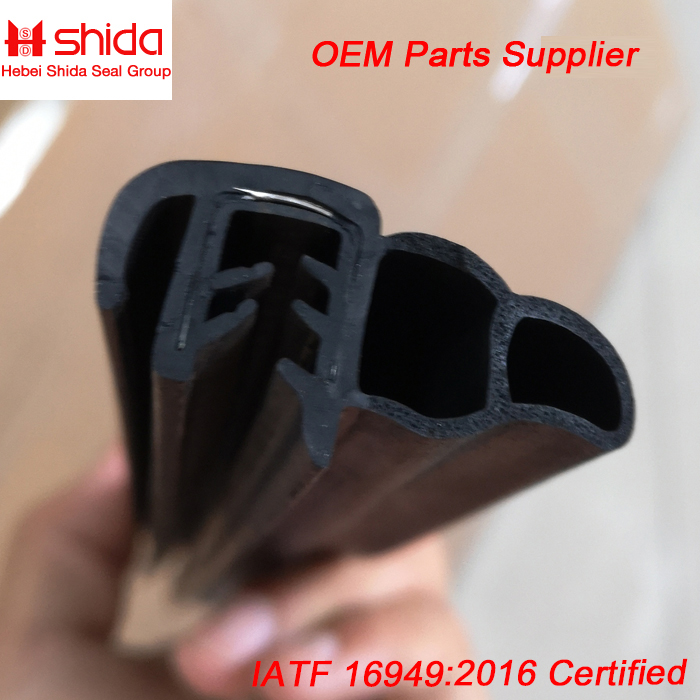
Dual durometer seals rubber products are extrusions with different areas of hardness. Typically, the harder rubber is used for attachment while the softer rubber is used for sealing.  Sometimes, different materials are used because of design considerations such product color schemes or the use of pressure-sensitive adhesives (PSAs).

epdm dual durometer seals

epdm dual durometer seals

By fabricating dual durometer rubber into a single part, a product such as window seal can have areas with different physical properties to meet application requirements. With window channels, the harder window rubber attaches to the window frame and the softer window rubber faces the glass window. Durometer is not limited to window seals, however, and is used with both sponge and solid profiles.

Hebei Shida Seal Group is a IATF 16949 certified manufacturer, supplier, and exporter of custom dual durometer seals, EPDM seals and gaskets, dual durometer rubber extrusions for automotive, heavy truck, among other industries from Hebei, China.

Please feel free to send us drawings or samples for quotes.

by admin admin No Comments

Toyoda Gosei Invests in Automotive Parts Manufacturer in Central China

KIYOSU, Japan–Toyoda Gosei Co., Ltd., through its regional headquarters in China1 (Toyoda Gosei China), is purchasing a majority stake in Hubei Rock Rubber and Seal Technology Co., Ltd. (“Hubei Rock”) to strengthen its automotive parts business in China, the world’s largest automobile market2.

Hubei Rock, located in central China, is an independent supplier that provides weatherstrips mainly to Dongfeng Motor Corporation, one of China’s “Big Three” automakers, and its joint venture companies with Japanese and other foreign manufacturers, including Dongfeng Honda Automobile Co., Ltd. and Dongfeng Peugeot-Citroën Automobile Co., Ltd.

Toyoda Gosei China plans to purchase 60% shares from Hubei Rock’s parent company, Hubei Zhengao Automotive Accessories Co., Ltd., for approximately 800 million yen3 in December 2018.

Toyoda Gosei’s decision to invest in Hubei Rock was made with the aim of rapidly expanding its business in the region by merging the Toyoda Gosei Group’s technology and knowledge in product design and production, cultivated as a global supplier of rubber and plastic parts, with Hubei Rock’s track record and sales channels built up over many years of business with automakers in central China.

With this partnership, Toyoda Gosei’s production network in China will expand to 4 locations: TG Star Light in northern China, Foshan TGR and Fu-Yue in southern China, and now Hubei Rock in Central China. Toyoda Gosei considers China to be a crucial market, and will continue to strengthen its development and production networks there.

  1   Toyoda Gosei (Shanghai) Co., Ltd. The name of this company will be changed to Toyoda Gosei (China) Investment Co., Ltd. as changes from a management company to an investment company in December 2018.
  2   Toyoda Gosei China will invest in Hubei Rock following approval by the Chinese authorities.
  3   Calculated at 1 Chinese yuan = 16 Japanese yen
 

Outline of Hubei Rock

Name   Current:
Hubei Rock Rubber Seal Technology Co., Ltd.
 

After merger:
Hubei Toyoda Gosei Zhengao Rubber and Seal Technology Co., Ltd.

Location   No. 9 Dongfeng Ave., Maojian, Shiyan, Hubei, China
Established   April 1995
Capital   4,600 million yuan
Shareholders  

Current:
Hubei ZhengAo Automotive Accessories Co., Ltd.


100%


After merger:
Toyoda Gosei (China) Investment Co., Ltd.
Hubei Zhengao Automotive Accessories Co., Ltd.


60%
40%

Products  

Weatherstrips:
Opening weatherstrips, door weatherstrips, glass runs, etc.

Area  

Land 78,000 m2
Buildings 43,200 m2

Employees   281 people (as of March 31, 2018)
Sales   81.9 million yuan (FY2017)
 

About Toyoda Gosei
Established in 1949 and headquartered in Kiyosu, Aichi Prefecture, Japan, Toyoda Gosei is a leading specialty manufacturer of rubber and plastic automotive parts. Today, the Toyoda Gosei Group provides a variety of high-quality products internationally, with a network of approximately 100 plants and offices in 18 countries and regions. Through its flexible, integrated global supply system and leading-edge technologies, Toyoda Gosei aims to grow as a global company that acts flexibly and swiftly in today’s dramatically changing business environment, delivering the highest levels of satisfaction to customers worldwide through safety, comfort, well-being and the environment.

by admin admin No Comments

Eriks appoints new president and CEO

PITTSBURGH—Eriks North America has named Shawn Courtney as its new president and CEO, effective Nov. 1.

He currently serves as regional product director of Eriks North America and is also president of the firm’s Seals and Plastics unit. He’s worked for the company since 1992 and has held various roles of increasing responsibility, including sales manager, general manager and president of companies within Eriks Seals and Plastics in North America.

“I’m honored to continue my career at Eriks North America, and I look forward to leveraging my 30-plus years in the industrial service industry to lead the company forward,” Courtney said in a statement. “It’s an exciting time at Eriks North America, as we continue to strategically position ourselves as a multi-product specialist company serving a wide breadth of industries through innovative product technologies and our extensive service capabilities.”

Eriks is an international industrial distributor that operates in many rubber industry sectors, including seals and gaskets, hose, and belting, among others. The firm operates more than 140 locations throughout the U.S., Canada and Mexico.

by admin admin No Comments

Introduction to IATF 16949

Introduction to IATF 16949

IATF 16949:2016 (replaces ISO/TS 16949:2009) is a standard that establishes the requirements for a Quality Management System (QMS), specifically for the automotive sector. The ISO/TS 16949 was originally created in 1999 to harmonize different assessment and certification schemes worldwide in the supply chain for the automotive sector.

The primary focus of the IATF 16949 standard is the development of a Quality Management System that provides for continual improvement, emphasizing defect prevention and the reduction of variation and waste in the supply chain. The standard, combined with applicable Customer-Specific Requirements (CSR’s), define the QMS requirements for automotive production, service and/or accessory parts.

IATF 16949:2016 is an independent QMS standard that is fully aligned with the structure and requirements of ISO 9001:2015. Therefore, the IATF 16949 cannot be implemented alone as a stand-alone document, but must be implemented as a supplement and in conjunction with ISO 9001:2015.

After October 01, 2017, audits cannot be conducted to ISO/TS 16949 and organizations must transition to the new IATF 16949 in line with their current audit cycle, according to the allowable timing requirements. Failure to conduct the audit within the allowable timing requirements requires the organization to start over with an initial certification audit. The transition audit shall be the duration of a recertification audit plus additional time for a documentation review. All supporting functions on site or at a remote location shall be included in the transition process.

A Quality Management System based on IATF 16949:

  • Is a method of defining how an organization can meet the requirements of its customers and other stakeholders
  • Promotes the idea of continual improvement
  • Requires organizations to define objectives and continually improve their processes in order to reach them
  • Emphasizes defect prevention
  • Includes specific requirements and core tools from the automotive industry
    • Advanced Product Quality Planning (APQP)
    • Failure Mode and Effects Analysis (FMEA)
    • Statistical Process Control (SPC)
    • Measurement Systems Analysis (MSA)
    • Production Part Approval Process (PPAP)
  • Promotes reduction of variation and waste in the supply chain
  • Requires documented and implemented corporate responsibility polices
 

What is IATF 16949

The IATF 16949 standard provides guidance and tools for companies and organizations who want to ensure that their products consistently meet customer requirements and that quality and customer satisfaction are consistently improved. Requirements for certification to IATF 16949 are defined in the 2016 Revision 5 of the rules for achieving and maintaining IATF recognition.

The IATF 16949 standard is a supplemental standard and is used in conjunction with the ISO standards:

  • IATF 16949 – establishes the Automotive supplemental requirements of a quality management system
  • ISO 9001 – defines the base requirements of a quality management system
  • ISO 9000 – covers the basic concepts and language
  • ISO 9004 – focuses on how to make a quality management system more efficient and effective
  • ISO 19011 – provides guidance on internal (1st party) and external (2nd party) audits of quality management systems
  • ISO 31000 – outlines risk management principles and guidelines

IATF 16949 defines the criteria for an automotive-based QMS with the goal to become 3rd party registered. It can be used by any supplier, large or small, and should be applied throughout the automotive supply chain. In fact, there over 65,000 suppliers worldwide which are currently certified to ISO/TS 16949. All requirements of IATF 16949 are applicable unless suppliers do not provide product design related functions. Requirements are generic and are intended to be applicable to any supplier providing design and development, production and, when relevant, assembly, installation and services of automotive related products, including products with embedded software. The IATF 16949 standard is applicable to sites of the organization where manufacturing of customer-specified production parts, service parts, and/or accessory parts occur.

The standard is based on seven Quality Management Principles, including a strong customer focus, the motivation and implication of top management, the process approach and continual improvement.

These Quality Management Principles are defined as follows:

  1. Customer focus
  2. Leadership
  3. Engagement of people
  4. Process approach
  5. Improvement
  6. Evidence-based decision making
  7. Relationship management

Why Implement IATF 16949

Implementing IATF 16949 ensures that customers receive consistent, good quality products and services, which in turn may bring many business benefits. IATF 16949 specifies requirements for a Quality Management System when an organization wants to:

  • Demonstrate its ability to consistently provide products that meet customer and applicable statutory, regulatory and product safety requirements
  • Enhance customer satisfaction through the effective application of the system
  • Implement processes for improvement of the system
  • Define overall context, who is affected and what they expect
  • Clearly state objectives and identify new business opportunities
  • Put customers first, making sure their needs are consistently met and enhance their satisfaction
  • Have repeat customers, increase customer loyalty, add new clients and increase business
  • Expand into new markets, as some sectors and clients require IATF 16949 before doing business
  • Identify and address the risks associated with your organization
  • Work in a more efficient way to increase productivity and efficiency, bringing internal costs down
  • Become more socially responsible through the documentation and implementation of corporate responsibility polices
 

When to Implement IATF 16949

Compliance to the IATF 16949 standard can be done at any time but is typically used when:

  • Customers specify this requirement as part of the contract
  • Organizations want to improve their products and customer satisfaction
 

How to Implement IATF 16949

Organizations’ deciding to develop and implement any new or improved QMS is a strategic decision. All efforts should be focused on the identification and minimization of risk while meeting and exceeding customer and organizational goal and objective requirements.

Organizations should make a commitment to:

  • Recognize direct and indirect customers as those who receive value from the organization
  • Understand customers current and future needs and expectations
  • Link the organization’s objectives to customer needs and expectations
  • Communicate customer needs and expectations throughout the organization
  • Plan, design, develop, produce, deliver and support products to meet customer needs and expectations
  • Measure and monitor customer satisfaction and take appropriate actions
  • Determine and take actions on interested parties needs and expectations that can affect customer satisfaction
  • Actively manage relationships with customers to achieve sustained success
  • Become more socially responsible
  • Provide necessary resources to ensure product safety requirements are met

IATF 16949 Compliance can be achieved through Seven Phase Approach:

  1. Executive and Management Overview / Planning
  2. Gap Assessment and Planning
  3. Documentation
  4. Implementation and Training
  5. Internal Assessment and Management Review
  6. 3rd Party Registration Assessment
  7. Sustain and Continual Improvement
by admin admin No Comments

Custom EPDM Rubber Seals for Heavy Truck OEMs

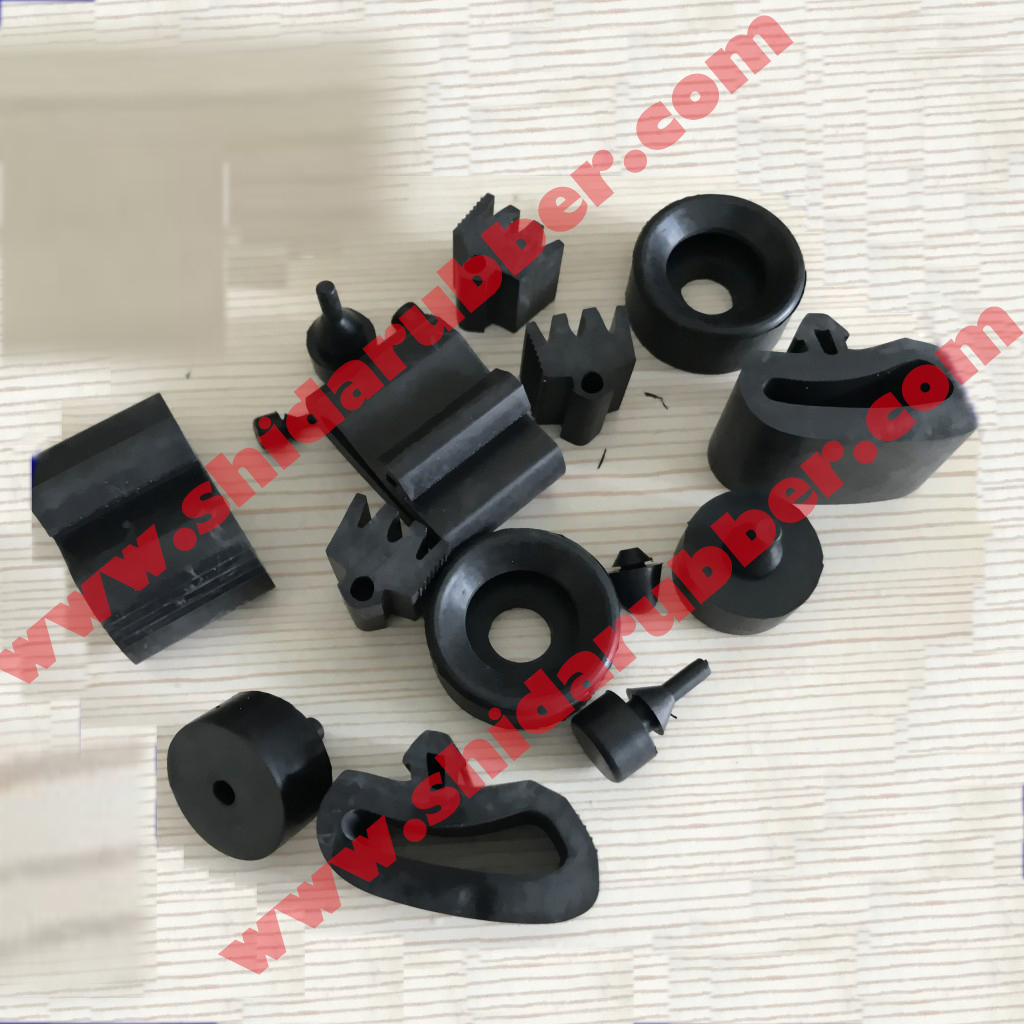
Hebei Shida Seal Group manufactures custom EPDM rubber seals, co-extruded trim seals, push-on type trim seals, bulb trim seals, edge protection sealing profiles, wheel chocks for heavy truck markets.

custom EPDM rubber seals custom EPDM rubber seals custom EPDM rubber seals

  • Primary door sealing system
  • Heavy truck rubber sealing system window belt line seal
  • Heavy truck engine, compartment and under hood seals
  • Heavy truck rubber sealing system glass run channel seal
  • Glass run channel sealing system
  • Door seals
  • Dynamic window seals
  • Static window seals
  • Compartment seals
  • Under hood seals
  • Body fascia seals
  • NVH isolators / Rubber NVH isolator for a fuel tank strap
  • AC insulators
  • Engine seals
  • Tubing
  • Silicone engine seal
  • Compartment seal
  • Hood to cowl seal
by admin admin No Comments

DIN 73411 Cooling Water Hose Cooling Pipes for Motor Vehicles

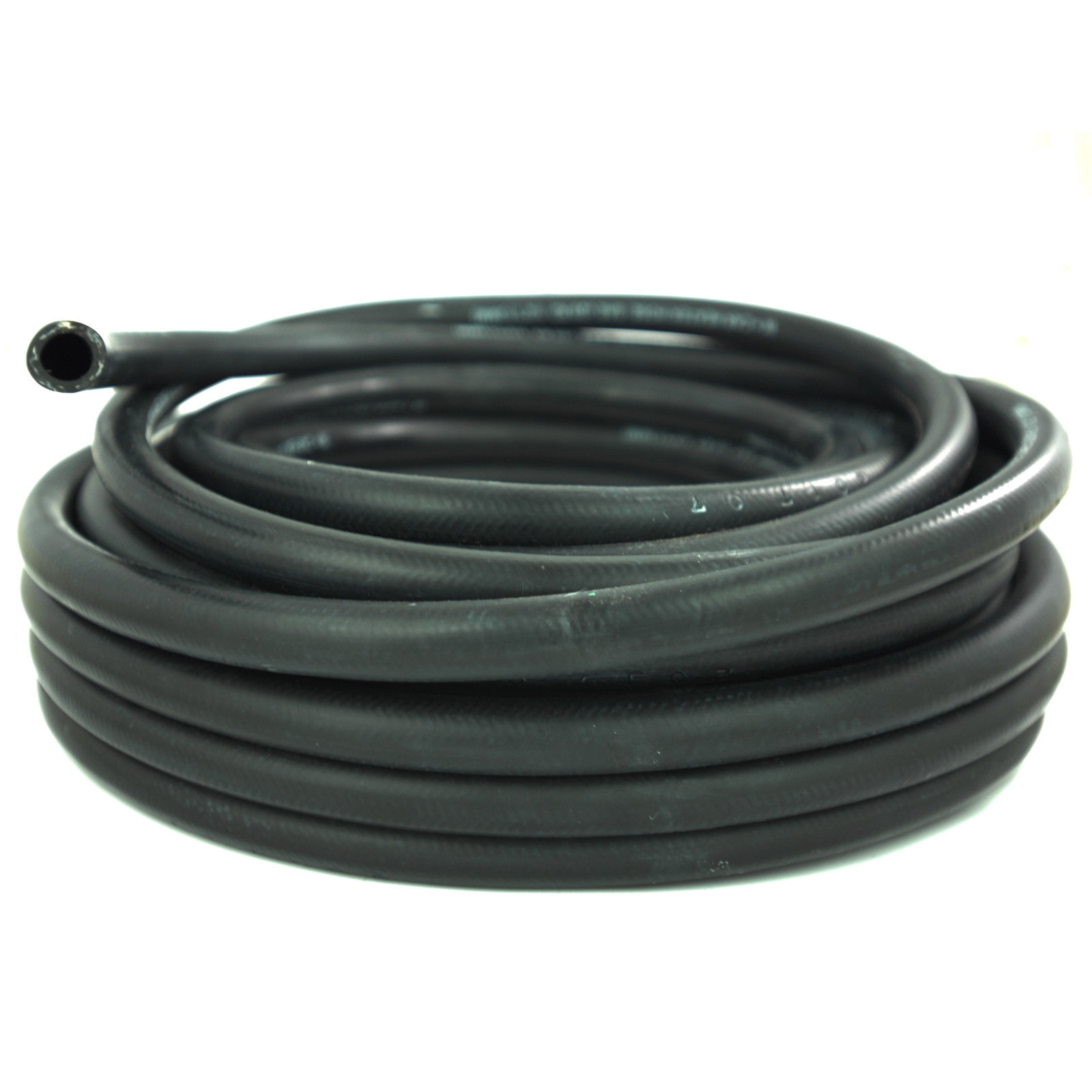
Hebei Shida Seal Group now manufactures DIN 73411 Cooling Water Hose EPDM Flexible Rubber Car Heater Hoses – Radiator Coolant Engine Water Pipes Cooling Pipes for Motor Vehicles.

A mandrel-built, EPDM rubber, radiator hose manufactured to DIN 73411 specifications with with single ply textile braid reinforcement.

Suitable applications include radiator hoses, coolant / heater hoses, water & air hoses. Resistant to antifreeze. Excellent resistance to heat, weather and ozone.

Technical Details:

– Suitable for transfer of water in radiator systems

– Temperature Range: -40°C to +125°C

– Reinforcement: High Tensile Synthetic Textile

– Standard: DIN 73411

– Lining: EPDM Rubber

– Cover: Cloth Finish Black EPDM Rubber

Sizes of Extruded Cooling Water Hose:

Item NO. Inner Ø x Wall Roll length
D-001 [mm] [m]
D-002 10 x 3,5 100
D-003 12 x 3,5 100
D-004 13 x 3,5 60
D-005 15 x 3,5 60
D-006 16 x 3,5 60
D-007 18 x 3,5 60
D-008 19 x 3,5 60