
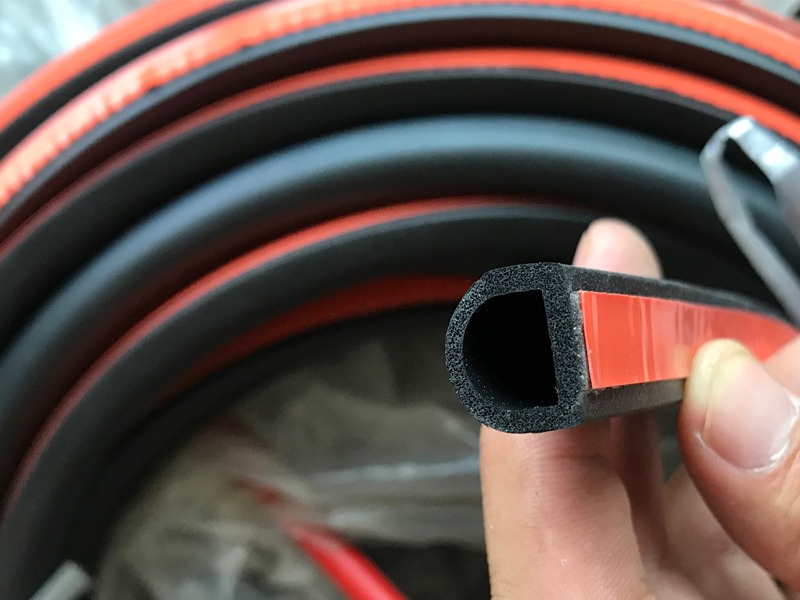
EPDM sponge rubber seals are a practical choice when equipment or enclosures need a compliant barrier against air, water, dust, vibration, and outdoor exposure. Made from ethylene propylene diene monomer (EPDM), this cellular rubber combines the weathering resistance associated with EPDM with the cushioning and compressibility of a sponge structure. It is used in products such as custom gaskets, foam strips, sealing pads, and weatherstripping for applications across construction, HVAC, transportation, electrical equipment, and general manufacturing.
The right seal depends on more than material name. Cell structure, density, thickness, compression, adhesive, operating temperature, and exposure to chemicals all affect performance. Understanding these factors helps buyers specify an EPDM sponge seal that fits the application and performs reliably over time.
What Is EPDM Sponge Rubber?
EPDM is a synthetic rubber made from ethylene, propylene, and a diene component. In sponge form, the compound is expanded during production to create a cellular structure. Depending on the formulation and manufacturing process, the material may have closed cells, semi-closed cells, or a blend of cell types.
Closed-cell EPDM sponge is generally selected where resistance to water and moisture ingress is important. Its compact cell structure helps limit water absorption, making it useful for exterior seals, enclosures, and weatherstripping. Semi-closed-cell sponge is typically more compressible and flexible, which can suit applications that call for cushioning, impact absorption, or filling irregular gaps. Product performance varies by grade, so specifications should be confirmed for the actual application.
EPDM sponge rubber seals are available in several forms, including:
- Gaskets: Cut or molded parts that seal between two surfaces.
- Strips and profiles: Continuous lengths used around doors, panels, and openings.
- Sponge sheets and rolls: Stock material for converting into application-specific shapes.
- Pads and washers: Components for cushioning, spacing, vibration control, or sealing around fasteners.
- Adhesive-backed seals: Parts with pressure-sensitive adhesive to simplify positioning and installation.
Depending on the design, these products may be supplied plain, with a single adhesive backing, or with other converting features such as kiss cutting or perforations. Availability depends on material thickness, geometry, and production method.
Key Material Features
Weather, ozone, and UV resistance
EPDM is widely selected for outdoor sealing because it resists weathering, ozone, and ultraviolet exposure. These characteristics can help seals retain useful flexibility when exposed to sunlight, changing weather, and long-term outdoor conditions. Applications include building joints, equipment doors, exterior lighting, and vehicle weatherstripping. Actual service life depends on the compound, seal design, installation, and exposure conditions.
Flexible, compressible sealing
A sponge seal compresses when installed between mating surfaces. This helps it accommodate small gaps, surface irregularities, and movement in a joint. When the assembly is designed correctly, the seal can maintain contact without requiring the material to behave like a rigid gasket. EPDM sponge is also used to cushion components and reduce rattling or vibration in some assemblies.
For dependable sealing, the foam must be compressed within the product’s recommended range. Too little compression may leave open leakage paths; excessive compression can damage the material, increase closing force, or reduce recovery over time. Engineers should evaluate the joint gap, tolerance stack-up, fastening method, and expected movement together.
Resistance to water and moisture
EPDM sponge is often used where a barrier against rain, splashing, or humidity is needed. Closed-cell grades are commonly chosen for applications requiring lower water absorption, while the performance of semi-closed-cell materials depends on their specific construction. A seal’s effectiveness also depends on joint design: corners, splices, fastener openings, and poor surface preparation can become leakage paths even when the material itself is suitable.
Thermal and acoustic insulation
The cellular structure of EPDM sponge can help reduce heat transfer and dampen sound or vibration. These benefits make it useful in HVAC equipment, vehicle cabins, machinery housings, and other assemblies where gaps can transmit noise or allow air movement. Insulation performance varies with the material’s density, thickness, cell structure, and installation, so buyers should request product-specific data when thermal or acoustic performance is a design requirement.
Electrical insulation
EPDM is also used in electrical and enclosure applications where an insulating material is needed along with environmental sealing. Sponge seals can help close openings around panels, cabinets, and equipment covers. The required electrical characteristics depend on the system and grade; do not assume that every EPDM sponge product meets a particular electrical or flame-performance standard without documentation.
Broad chemical usefulness—with important limits
EPDM generally performs well around water, steam, and some mild chemicals, including certain acids and alkalis. However, it is not a universal chemical-resistant seal. Petroleum oils, fuels, and many hydrocarbon-based fluids can cause swelling or deterioration. If the seal may contact lubricants, fuel, cleaning agents, or process chemicals, confirm compatibility with the supplier using the exact fluid, concentration, temperature, and exposure duration.
Lightweight and easy to convert
Compared with a solid rubber part of similar dimensions, sponge rubber provides a lightweight cushioning structure. It can be converted into custom shapes and sizes for a particular opening or assembly. Depending on the product and manufacturer’s capabilities, options may include die-cut gaskets, slit strips, adhesive-backed parts, rolls, and pads.
Common Applications by Industry
HVAC and building services
HVAC systems use EPDM sponge seals around access panels, ductwork, vents, filters, and equipment housings. These seals can help reduce air leakage and limit the entry of dust or moisture at joints. In building services, sponge gaskets may also be used around covers, access doors, and pipe or equipment interfaces where a compressible seal is appropriate. Material selection should account for operating temperature, condensation, cleaning chemicals, and the amount of compression available in the joint.
Construction and building envelopes
In construction, EPDM sponge rubber seals are used in applications such as exterior enclosures, cladding details, doors, windows, and equipment mounted outdoors. Weather resistance makes EPDM a useful option for exposed seals, while the sponge structure helps accommodate gaps between components. For a building envelope, the complete joint design matters: drainage, seal continuity, corner details, surface condition, and installation quality all contribute to the final result.
Automotive and transportation
Vehicle applications include door and window weatherstripping, trunk seals, roof-system sealing, and other areas requiring a flexible barrier against water, air, dust, or noise. EPDM sponge can also be used in cabins and vehicle body assemblies for cushioning and anti-rattle purposes. Commercial vehicles, trailers, and transportation equipment may use sponge seals around doors, panels, and interior components.
EPDM is not suitable for every automotive environment. Where a seal is exposed to fuel, petroleum oil, or other incompatible fluids, a different compound may be required. Consider temperature, movement, compression, abrasion, and chemical exposure before selecting the material.
Electrical cabinets and enclosures
Control panels, junction boxes, lighting housings, and outdoor equipment enclosures may use EPDM sponge gaskets around doors and removable covers. A properly fitted seal can help limit the entry of water and dust while providing a compliant interface between surfaces. For enclosure applications, confirm the required ingress-protection target, gasket compression, corner construction, adhesive suitability, and any electrical or flame-performance requirements. A material description alone does not establish a specific enclosure rating.
Industrial equipment and machinery
Industrial machinery may use EPDM sponge seals for access panels, covers, guards, and non-oil-exposed equipment housings. Sponge pads and strips can also help fill voids, cushion components, and reduce rattling. For boilers, pumps, or process equipment, verify that the grade is appropriate for the service temperature and media. In particular, check for contact with oils, fuels, solvents, or cleaning products before specifying EPDM.
Lighting and electronic products
Outdoor lighting systems and electronic housings often need compact seals that fit around covers, lenses, or access points. EPDM sponge can provide a compliant gasket while helping protect the interior from environmental exposure. The design may call for a die-cut gasket, adhesive-backed strip, or custom profile depending on the assembly. For precision applications, confirm dimensional tolerances, compression behavior, adhesive compatibility, and aging requirements.
EPDM Sponge vs. Solid EPDM
Both materials use EPDM chemistry, but their physical structures serve different purposes. Solid EPDM is dense and is often chosen for applications requiring a firm rubber surface or a more substantial gasket. EPDM sponge is cellular and compressible, making it useful for gap filling, cushioning, and sealing against mating surfaces with some irregularity. Closed-cell sponge may be preferred where moisture resistance is a priority; more compressible sponge grades may suit cushioning or vibration-related uses.
The choice is application-specific. A sponge seal is not automatically better because it is softer, and a solid seal is not automatically better because it is denser. The correct option depends on joint geometry, pressure, movement, environmental exposure, and the desired degree of compression.
How to Specify an EPDM Sponge Rubber Seal
Before requesting a quote or selecting a material, prepare the following information:
- Application and location: Describe what the seal is closing and whether it is indoor, outdoor, mobile, or exposed to weather.
- Joint dimensions: Provide the gap range, mating-surface dimensions, drawing, or sample part.
- Compression needs: Identify available space, expected closing force, and whether the surfaces move after installation.
- Environment: List temperature range, moisture, UV exposure, ozone, vibration, dust, and any chemicals or fluids.
- Material details: Specify closed-cell or semi-closed-cell requirements, density or firmness targets, and any relevant test requirements.
- Product form: Choose a gasket, strip, profile, pad, sheet, or roll based on the assembly.
- Adhesive and installation: State whether self-adhesive backing is needed and describe the surface material and installation conditions.
- Performance documentation: Request product data for relevant compression, water absorption, temperature, electrical, or flame properties rather than relying on generic material descriptions.
A sample fit test is valuable when the seal is critical. It can reveal whether the material fills the gap, whether the adhesive bonds to the surface, and whether the assembled part can close without excessive force.
Common Causes of Seal Failure
Seal problems often result from a mismatch between the material and the real operating conditions. Selecting EPDM for an oil-exposed joint, choosing the wrong thickness, or applying too much compression can shorten service life. Other common issues include contaminated bonding surfaces, adhesive incompatibility, poorly designed corners, unsealed splices, and insufficient tolerance for part movement.
A useful specification considers the whole assembly—not just the rubber. The seal, adhesive, surfaces, fasteners, compression, and service environment work together to determine performance.
Frequently Asked Questions
Is EPDM sponge rubber waterproof?
Some closed-cell EPDM sponge grades offer good resistance to water absorption, but finished seal performance depends on the grade and the assembled joint. Corners, seams, surface gaps, and fastener penetrations should be considered in the design.
Is EPDM sponge suitable for outdoor use?
EPDM is commonly selected for outdoor applications because of its resistance to weathering, ozone, and UV exposure. Confirm the product’s grade and expected service conditions, especially for long-term exposure or demanding temperature cycles.
Can EPDM sponge be used around oil or fuel?
Generally, EPDM is a poor choice for exposure to petroleum oils and fuels. These fluids can cause swelling or material degradation. Check compatibility with the specific fluid and operating conditions, or consider a more suitable compound.
Can EPDM sponge seals be supplied with adhesive?
Many sponge seal products can be supplied with pressure-sensitive adhesive to help hold the seal in place during assembly. Adhesive performance depends on the bonding surface, cleanliness, temperature, and exposure conditions. Confirm the backing type and test it on the actual substrate.